You see an ad for a sleek, simple watch while scrolling through your feed. The site features a sleek design, the photography captures details vividly, and the price is competitive. You are hovering on the Buy Now button, and then you hesitate. You have never heard of this brand. Their posts have no comments and the product page appears to be strangely silent. It is that voice in your head that keeps on nagging, is it a scam? Will it happen to me actually, or am I contenting myself with throwing my money into a digital abyss?
This is the Trust Gap in the case of new Shopify store owners. Trust is the major currency in the huge ocean of e-commerce. It will not save your conversion rate even with the most beautiful Shopify product page design. People do not purchase products, they purchase assurance. Social proof for Shopify store owners serves as the final “trust shortcut,” indicating to the indecisive browsers that there are other people who have already made the risk and emerged pleased. This guide will discuss the use of social validation to convert unwilling visitors into devoted followers.
The Psychology Behind Social Proof
Fundamentally, a mere human tendency motivates social proof; when we are unsure of what to do, we consult others. This is commonly termed as in informational social influence. As far as ecommerce psychology is concerned, we are programmed to think that when such a great number of people are doing something, then it must be the right decision. It is the same reason why you would prefer a restaurant full of people to the one that is empty, although you are not familiar with the menu either.
This herd behavior is increased in the digital world. In the offline world, you can feel a fabric or talk to a salesperson. Those sensory cues are absent online. As a result, social validation is of great importance in e-commerce. A product that has 500 four star reviews will sell almost always compared to the product with zero reviews, even in case the latter is actually superior. The collective experience of the crowd is used to avoid the mental fatigue of testing a brand out completely.
The Trust Gap in Shopify Stores
Shopify has made it incredibly easy to start a business, but that low barrier to entry is a double-edged sword. Because anyone can launch a store in minutes, customers have become hyper-aware of “dropshipping” schemes or low-quality pop-up shops. This skepticism creates a massive hurdle for legitimate new brands trying to figure out how to increase trust in ecommerce store environments.
The modern shopper is plagued by specific anxieties:
- Legitimacy: Is there a real human behind this website?
- Fulfillment: Will the product match the photos, and will it arrive on time?
- Security: Is my credit card information safe from hackers?
When these questions go unanswered, the result is the dreaded abandoned cart. Without visible evidence of happy customers, the perceived risk of the transaction outweighs the perceived value of the product.
Social Proof as a Trust-Building Machine
1. First Impressions Matter
You only have about 50 milliseconds for a user to form an opinion about your website. Seeing a “Best Seller” badge or a notification that someone in New York just bought an item provides instant credibility. It transforms your store from a static catalog into a bustling marketplace.
2. Reduces Risk Perception
Social proof functions as a safety net. When a customer sees a gallery of “real-life” photos from other buyers, the “risk of the unknown” evaporates. They can see how the dress fits on a non-model or how the coffee table looks in a standard living room. This transparency is a core pillar of landing page optimization.
3. Reinforces Buying Decisions
Post-purchase dissonance (buyer’s remorse) often starts before the customer even hits “Pay.” Social proof helps customers justify their choice to themselves. Reading a testimonial that highlights a specific problem solved by your product reinforces the idea that they are making a logical, beneficial investment.
4. Creates FOMO (Fear of Missing Out)
While trust is the foundation, urgency is the engine. When you display “Limited Stock” or “50 people are viewing this item,” you tap into the psychological fear of missing out. Popularity drives urgency; if everyone else wants it, it must be valuable, and I need to get it before it’s gone.
Powerful Types of Social Proof You Can Use
Star Ratings & Written Reviews
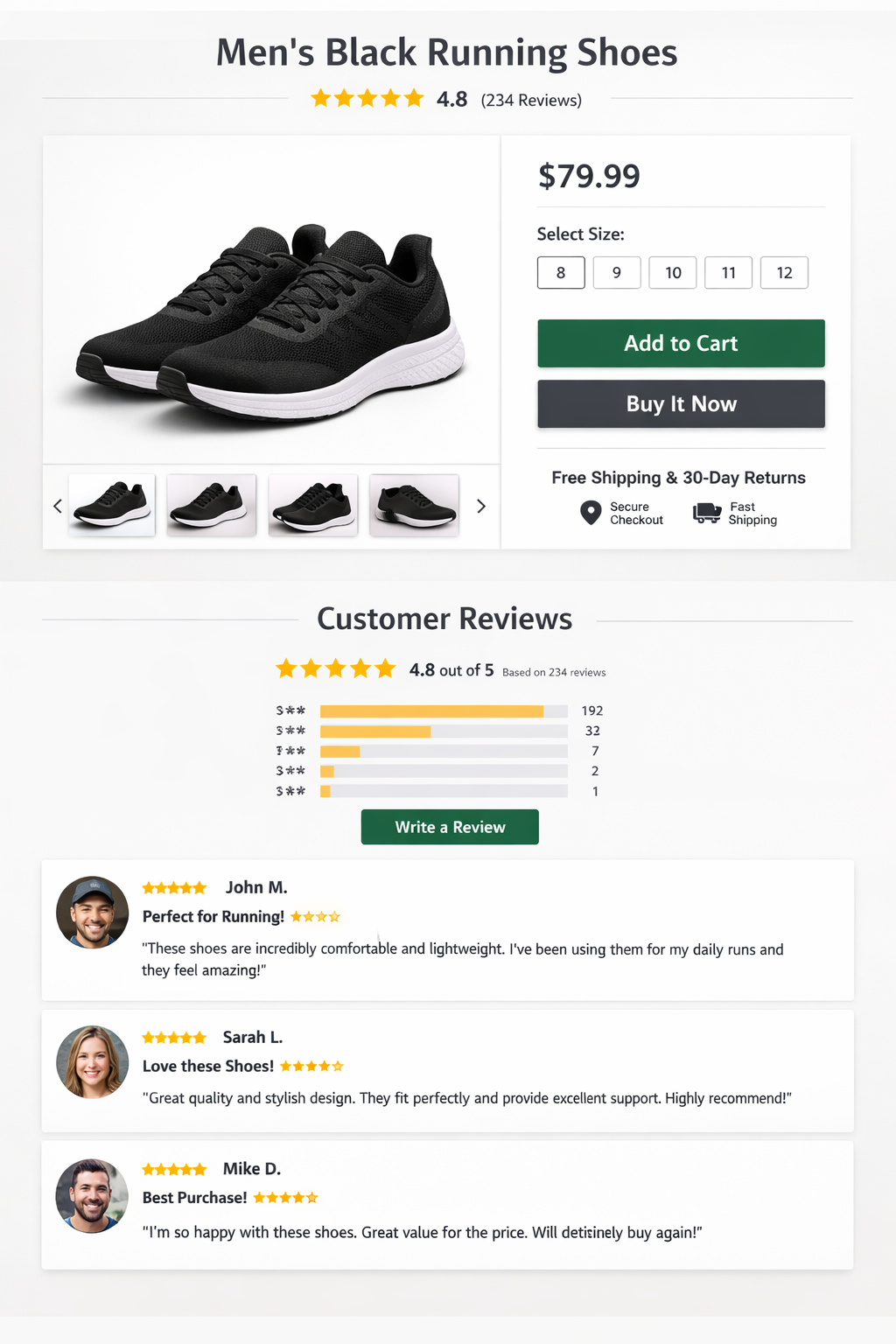
This is the gold standard. A simple 4.5-star average tells a story of consistency. However, the text matters too. Specific reviews that mention “fast shipping” or “excellent customer service” address the trust gaps mentioned earlier.
Customer Stories & Testimonials

Go beyond “Great product!” Deep-dive testimonials or case studies allow potential buyers to see their own struggles reflected in a successful outcome. Understanding the Psychology of the CTA can help you place these stories right where a user is most likely to hesitate.
Visual Proof (Photos & Videos)
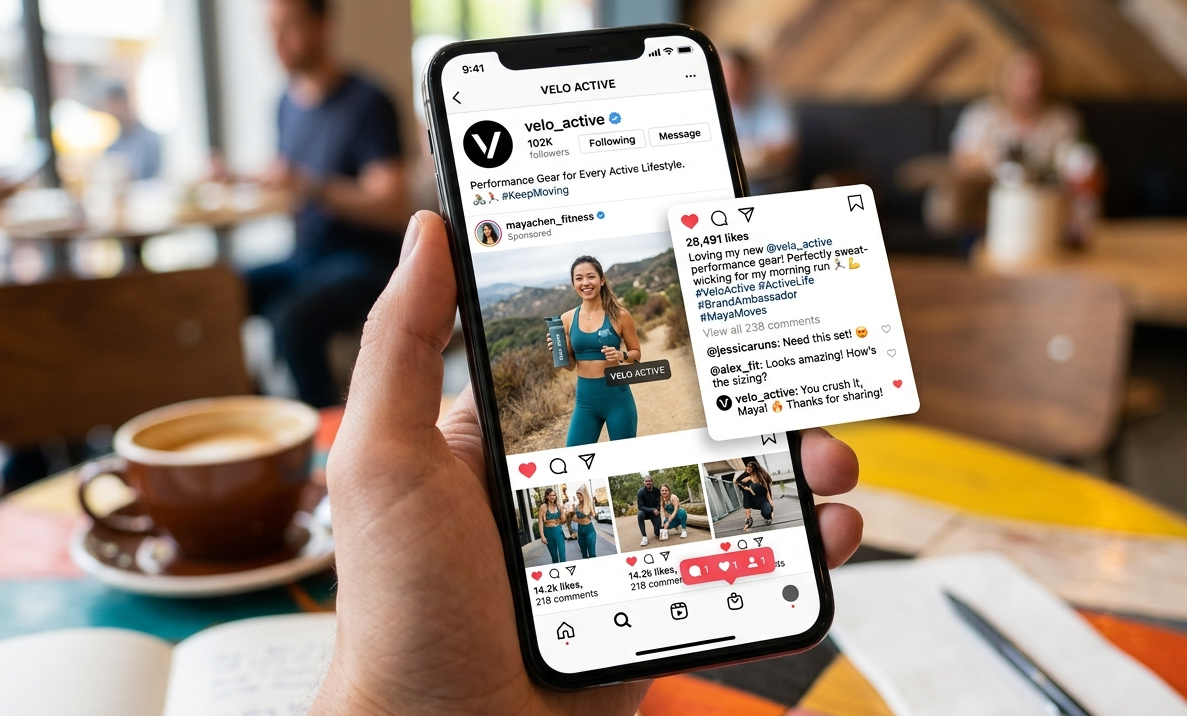
UGC (User-Generated Content) is incredibly potent. A grainy smartphone video of a customer unboxing your product is often more persuasive than a $10,000 professional brand video because it feels real. It proves the product exists and looks like the advertisement.
Social Media Mentions

When people talk about you on TikTok, Instagram, or X, they are providing “earned media.” Embedding a social feed on your Shopify store shows that your brand has a life outside of its own domain name.
Influencer Recommendations

You don’t need A-list celebrities. Micro-influencers in your niche carry immense weight. Their followers trust their curated taste, allowing you to “borrow” that established trust.
Trust Signals
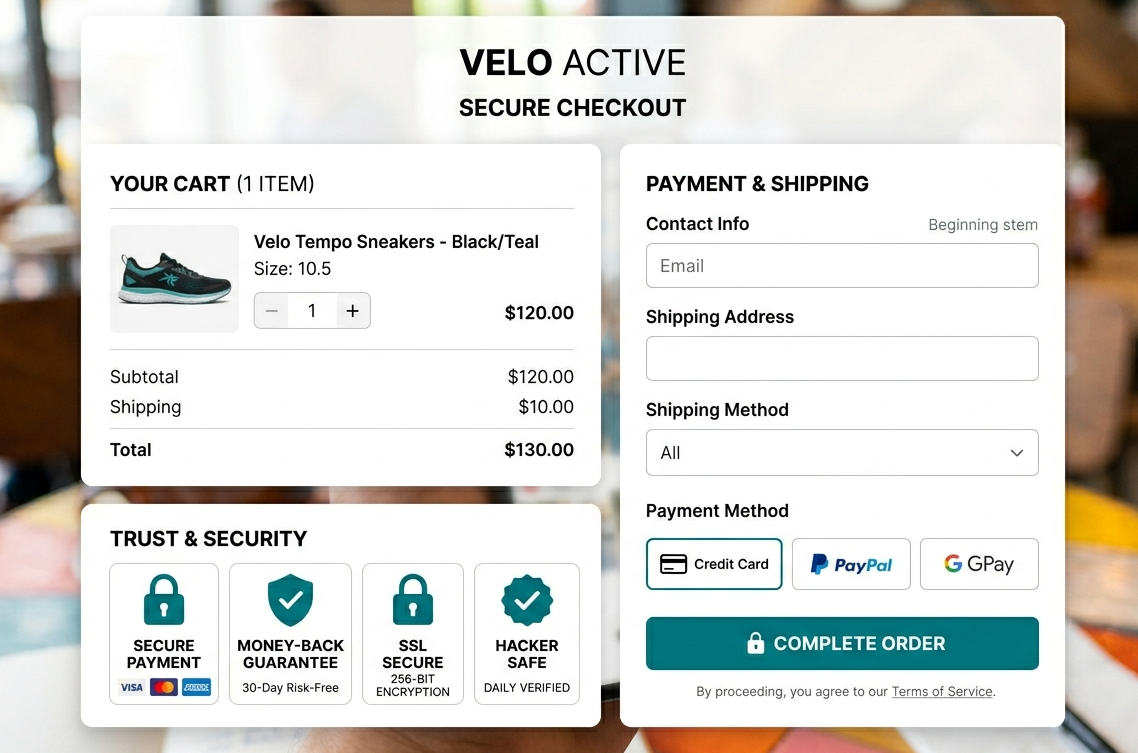
Badges from Norton, Visa, or “30-Day Money-Back Guarantees” are small but mighty. They act as a visual shorthand for “Your money is safe here.”
Where to Place Social Proof for Maximum Impact
To understand how social proof helps ecommerce conversions, you must realize that it’s not just what you show, but where you show it.
- Homepage: Use “Featured In” logos or a scrolling carousel of top-tier testimonials to establish immediate authority.
- Product Pages: Place star ratings right under the product title and detailed reviews further down. This is where most conversion decisions happen.
- Checkout Page: This is the highest-friction area. Adding a small “Secure Checkout” badge or a one-sentence testimonial about the easy return policy can prevent last-minute bailouts.
- Landing Pages: If you are running ads, your landing page must be a fortress of social proof. Since these visitors are “cold,” they need maximum validation to stay on the page.
How to Collect Social Proof Effectively
You can not sit back and wait for reviews to come on their own, you must go out there. Automation is the best method to do it. Install post-purchase emails that will send 7-14 days after delivery- not too long that they have used the product, but not too short that the excitement may have faded.
Give them a photo review in exchange with ethical bribes like a 10% discount on their next order. This does not only create your social proof library but also enhances customer lifetime value. In case you have troubles with the technical configuration, CRO Expert Company will assist in installing sophisticated review apps, allowing you to make this collection easier.
Best Practices for Building Real Trust
Social proof is all about authenticity. A shop that has 1000 five-star reviews and none of the four-star reviews is suspicious. Customers are smart; they understand that there is no universal product. A few negative reviews are even better, as they make the positive ones even more realistic.
Focus on being specific. An overview that states “This vitamin made me not feel so sluggish at 3 PM is a thousand times better than Good quality. Maintain your social evidence too, a glowing review of a 2019 implies the brand is stagnant or out of business.
Mistakes That Can Damage Trust
False reviews are the worst killers of a Shopify store. The text produced by bots can be identified by modern consumers on a mile distance generic names, repetitive phrasing, and flawless grammar are all warning signals. Equally, excessive utilization of the popups of Live Sale that announce that John of Mars has just purchased this in every 3 seconds may be irritating and feel like manipulation. Over-engineer your CRO Design and you may end up appearing desperate and not popular. Lastly, never conceal bad feedback, but reply to it publicly and professionally, to demonstrate that you value customer satisfaction.
Turn Trust Into Conversions
It is not only about finding good products to build a successful Shopify store, but it is also about creating the environment that makes customers feel secure, noticed, and acknowledged. Using social proof for Shopify stores is not merely dressing up your site, but rather building a psychological bridge across the so-called Trust Gap.
Begin small: gather five truthful reviews, include a trust badge in your footer and display one customer photograph. With the increase of your social proof, your conversion rates will increase. It is a competitive world of e-commerce, and the best win not necessarily the store that has the best products, but the one that can demonstrate, through the mouths of others, that it is worth the investment.