Ever wonder why you went online to buy a single pair of socks and ended up with a $200 cart? It wasn’t a lapse in logic, it was a masterclass in ecommerce psychology. Humans like to believe we are wise decision-makers, but the reality is that we are purchasing something with emotional mindset and cognitive biases. In the world of digital shopping , understanding user behavior is no longer a luxury, it’s the engine of growth.
By making small, intentional psychological tweaks to your store, you can bridge the gap between “just browsing” and “checkout complete.” This blog will help you to understand 10 proven triggers that affect how psychology affects buying decisions, transforming your store into a high-conversion store . Whether you are looking for a comprehensive CRO Guide 2026 or just a few quick wins, these strategies will help you achieve your goal.
What is Ecommerce Psychology?
ecommerce psychology is the study of how online consumers interact with a brand and what motivates them to click “buy.” It’s the intersection of behavioral science and digital marketing. From physical stores where a salesperson can read body language, online stores must depend on visual and textual hints to help you to make purchases of your choice of product . By understanding how to use psychology in ecommerce, you can create a digital environment that feels safe, rewarding, and urgent. It’s about building a bridge of trust when a customer feels understood and their hidden “fears” (like overpaying or being scammed) are addressed, conversions naturally follow.
Trigger 1: Social Proof
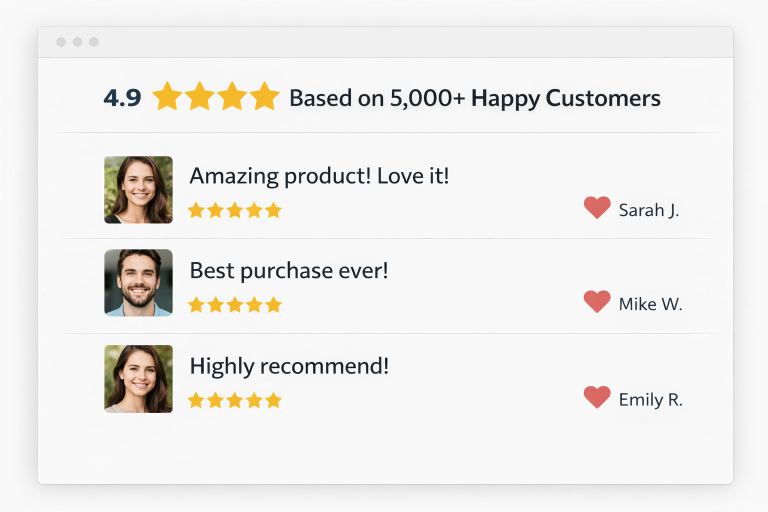
Humans are inherently tribal; we look to others to determine what is “correct” behavior. In ecommerce, this is known as Social Proof. When a visitor sees that others have successfully purchased and enjoyed a product, the perceived risk plummets.
- Reviews & Ratings: User-generated content acts as a digital “thumbs up.”
- Testimonials: Detailed success stories build deep emotional resonance.
- Implementation: Feature “Verified Buyer” badges and photo reviews prominently on your product pages to validate the quality of your items.
Trigger 2: Scarcity
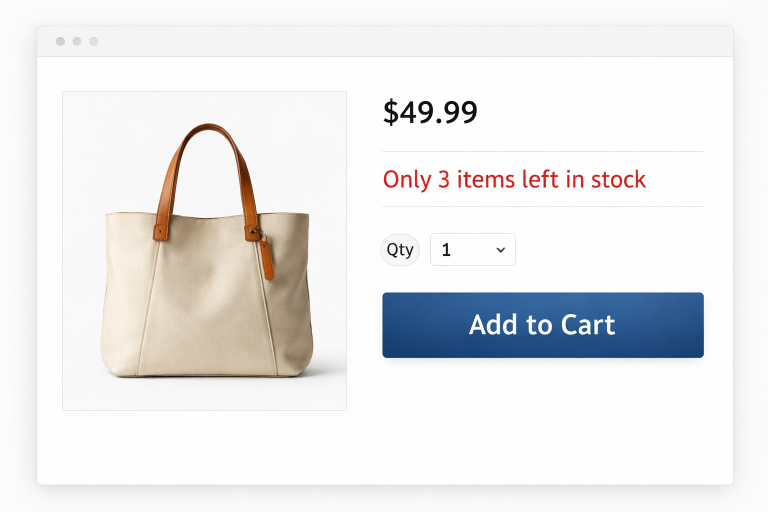
The “Scarcity Effect” suggests that we value things more when we perceive them to be in limited supply. This taps into the Fear of Missing Out (FOMO), a powerful driver in user behavior.
- Examples: “Only 3 left in stock” or “Limited Edition” tags.
- Best Practices: Honesty is key. In 2026, savvy shoppers can spot “fake scarcity” (like a countdown timer that resets every hour). Use real-time inventory data to maintain integrity while driving action.
Trigger 3: Urgency
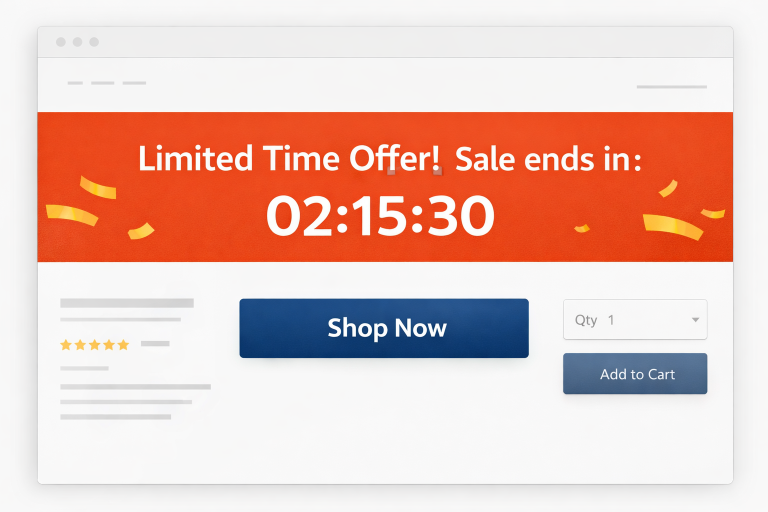
While scarcity relates to quantity, urgency relates to time. It forces a decision by creating a deadline. This is a core component of landing page optimization, as it prevents the “I’ll buy it later” syndrome, which usually means “never.”
- Examples: “Order within 2 hours for next-day delivery” or “Flash Sale ends at midnight.”
- Placement: Use high-contrast countdown timers on your cart page or header bar to keep the deadline top-of-mind.
Trigger 4: Authority
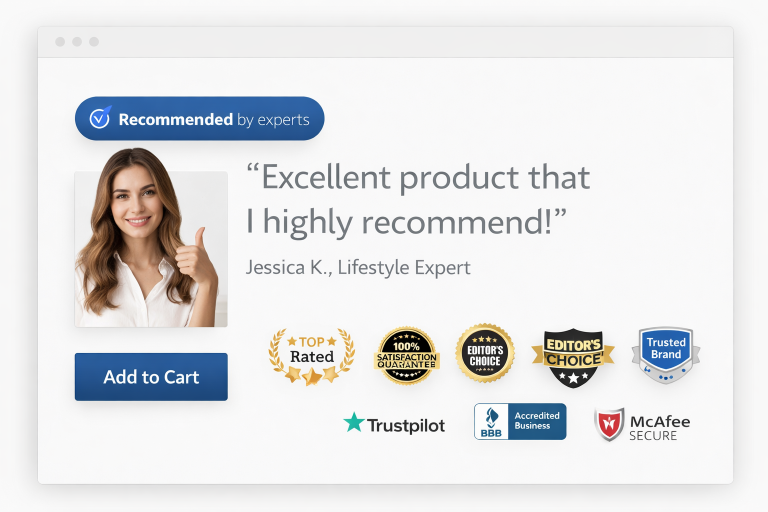
People are conditioned to respect expertise. If a recognized expert or a trusted organization vouches for your product, your brand’s credibility skyrockets.
- Certifications: ISO badges, organic labels, or “As seen on” media logos.
- Influencer Endorsements: Leveraging a niche expert to demonstrate the product.
- Building Authority: Publish deep-dive guides or white papers that prove you aren’t just selling a product, but providing a solution.
Trigger 5: Reciprocity
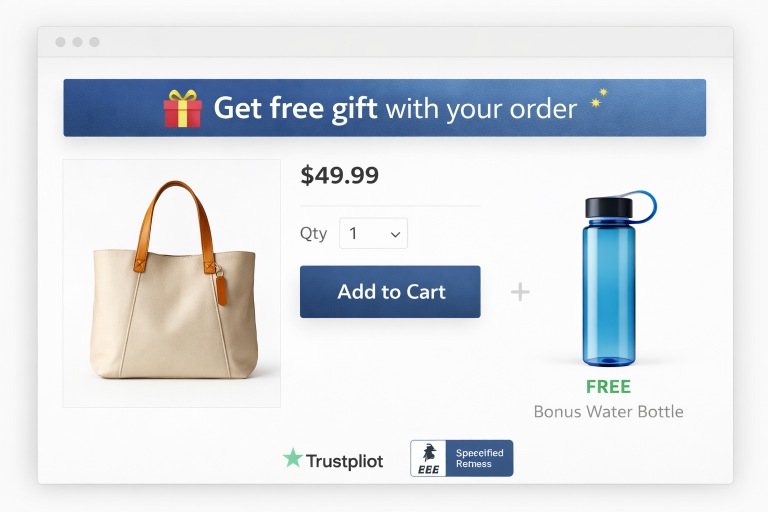
The principle of reciprocity is simple: if you give someone something for free, they feel a subconscious “debt” to give back to you. In ecommerce, this “giving back” usually manifests as a purchase.
- Examples: A free downloadable PDF guide, a “Buy 1 Get 1” sample, or free shipping.
- Strategy: Lead with value. By offering a free resource on the Psychology of the CTA, you educate your user while making them more likely to trust your paid services.
Trigger 6: Commitment & Consistency
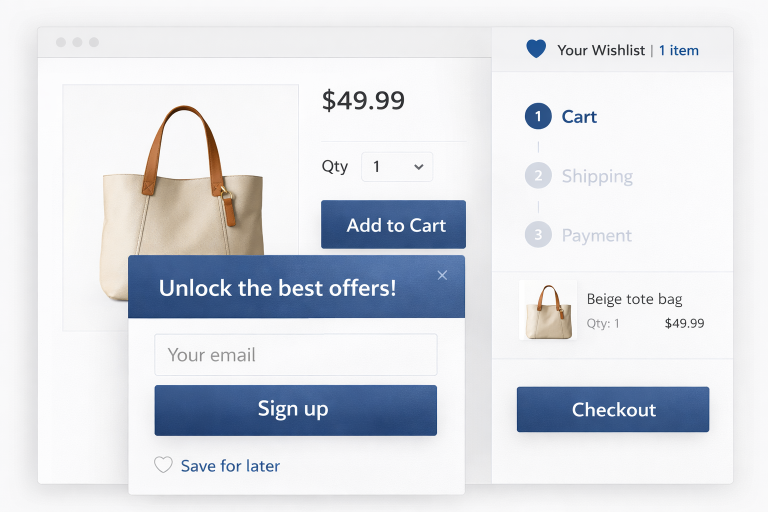
Once a person takes a small step toward a goal, they are much more likely to complete the larger task to remain “consistent” with their previous action.
- Micro-conversions: Asking for an email signup in exchange for a discount code.
- Wishlists: Encouraging users to “Save for later” builds an emotional tie to the item.
- Funnel Strategy: Start with low-friction requests before moving to the high-friction “Pay Now” step.
Trigger 7: Loss Aversion
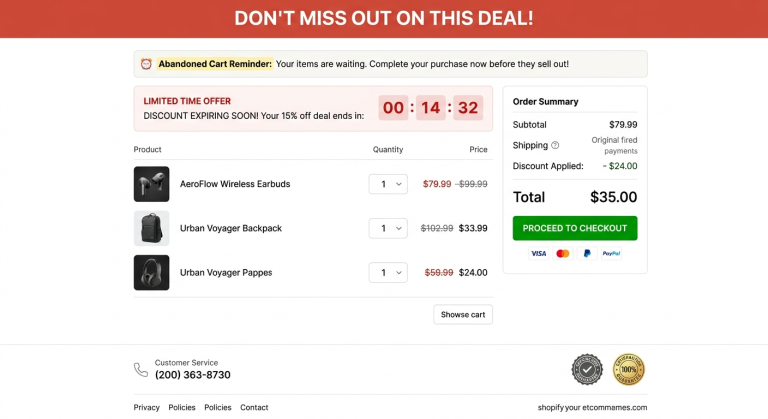
Psychologically, the pain of losing something is twice as powerful as the joy of gaining something. Framing your offers around what the customer might lose can be more effective than highlighting what they gain.
- Framing: Instead of “Save $20,” try “Don’t lose your $20 discount, it expires today.”
- Cart Recovery: Remind users that the items in their cart aren’t reserved and they might “lose” them to another buyer if they don’t finish the checkout.
Trigger 8: Anchoring
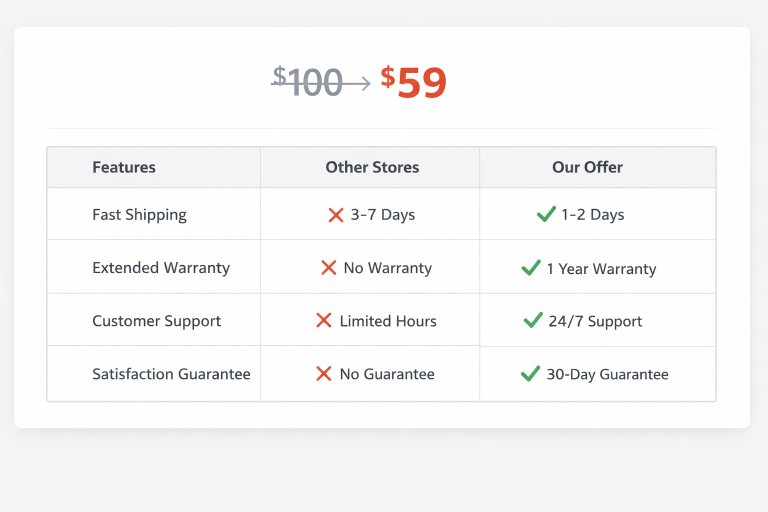
Anchoring occurs when a user relies too heavily on the first piece of information offered (the “anchor”) when making decisions.
- Price Anchoring: Showing a “Strikethrough Price” ($100 ~~$150~~) makes the current price feel like a massive win.
- Strategy: Place your premium “Pro” version next to your “Standard” version. The higher price of the Pro model makes the Standard version look affordable by comparison.
Trigger 9: Visual Appeal
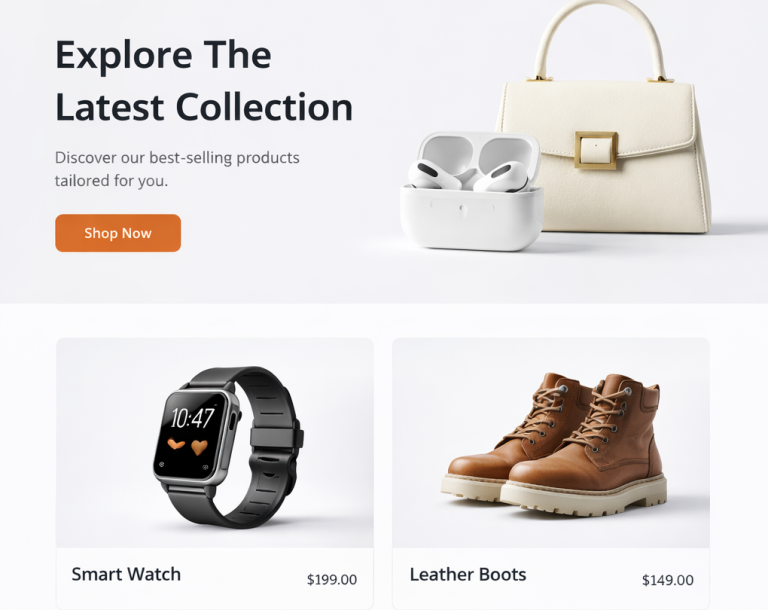
Imagine you enter a website and it looks like a mess and here your website fails to understand the user. First impressions are formed in milliseconds. High-quality visuals and a clean UI are the foundation of trust. If a site looks amateur, users assume the product and security are amateur too.
- Design Essentials: High-resolution imagery, consistent color palettes, and intuitive navigation.
- Shopify Tips: Learning how to design a Shopify homepage that converts involves balancing aesthetics with functional white space to keep the user focused on the product.
Trigger 10: Trust Signals
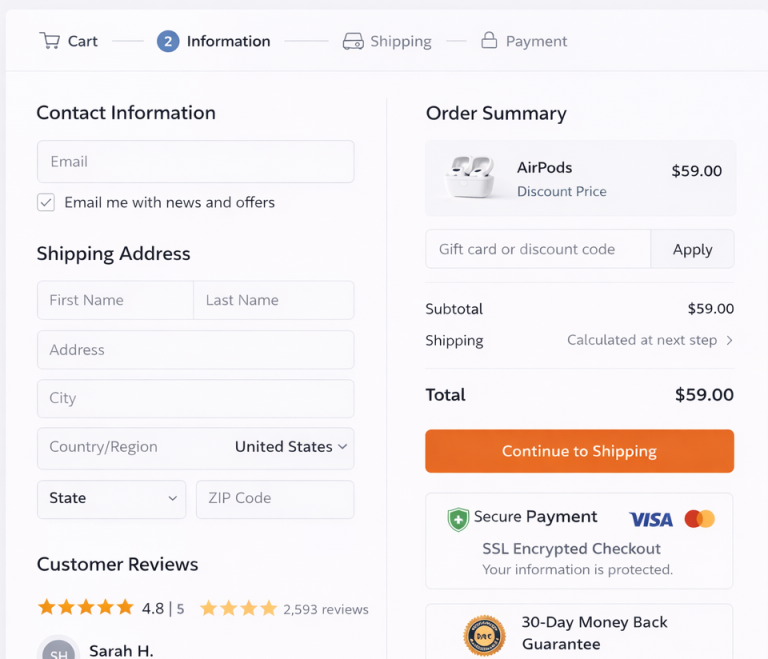
Before a customer enters their credit card info, they need to know their data is safe. When you add Trust signals it acts as the “green light” for the brain and convenience user to make a payment safely .
- Secure Badges: SSL certificates and payment icons (Visa, PayPal, Stripe).
- Policies: Clearly visible return policies and satisfaction guarantees.
- Placement: Put these signals right next to the “Add to Cart” or “Pay Now” buttons to alleviate last-second anxiety.
How to Combine These Triggers
Although each trigger is strong on its own, when they are stacked, they become unstoppable. Consider your product page as a composition: use urgency to seal the deal, anchoring to demonstrate value, and social proof (reviews) to establish trust. But watch out for “Psychological Overload.” The user will feel tricked and quit if every pixel is begging for attention with popups and timers. Instead of making a high-pressure sales pitch, strive for a smooth, beneficial experience.
Common Mistakes to Avoid
Giving up long-term trust for immediate benefits is the biggest error. Your brand’s reputation will eventually be ruined by using fake “live viewer” counts or misleading countdown timers. In a similar vein, adding too many triggers to the user experience can lead to “analysis paralysis,” in which the user is so overwhelmed that they decide to do nothing. Be honest and subtle.
Conclusion
Understanding the human heart and mind as much as the digital interface is essential to mastering e-commerce psychology. You can align your store with how people naturally make decisions by putting these ten triggers into practice, which range from Loss Aversion to Social Proof. Don’t attempt to make all the changes at once. Apply two to three triggers first, such as enhancing your price anchoring or adding trust badges, and then evaluate the outcomes.
If you want to maximize your conversion rates with a data-driven approach, consider partnering with a professional CRO expert company